
Challenging Privilege Claims for Redacted and Withheld Records
Privilege Challenged in Court: Lessons Learned and Best Practices in Logikcull


Challenging Privilege Claims
Attacks on privileged records trigger a 5-alarm fire for attorneys. No lawyer wants to defend the adequacy of a privilege log. In Ogontz Fire Co. v. Cheltenham Twp, a case where a township decertified volunteer fire companies sparked numerous motions to compel the production of redacted and withheld records.
Fire Drill! Responding to the Deliberative Process Privilege Challenge
The plaintiff challenged the defendant’s claimed deliberative process privilege Governments can use this privilege to withhold records that contain, “'confidential deliberations of law or policymaking, reflecting opinions, recommendations or advice.” Ogontz Fire Co. v. Cheltenham Twp., No. 23-569, 2026 U.S. Dist. LEXIS 76995, at *2-3 (E.D. Pa. Apr. 9, 2026). The policy goal is to allow government actors to have frank discussions. Yet decisions based on an improper basis, such as discrimination, can incinerate the privilege. Id.
The plaintiffs contended that the defendant’s decertification decision was driven by "racial animus, personal animus, [and] political and economical gain.” Id.
The court ordered the defendant to produce unredacted versions of the documents withheld the deliberative process privilege. Ogontz, at *3.
Fire Suppression on the Work Product Doctrine
The plaintiff attacked multiple documents withheld or redacted from production based on the work product doctrine. According to the work product doctrine, a lawyer’s mental impressions, opinions, and documents prepared for litigation are protected from disclosure. The court held that many of the alleged “withheld” documents were in fact protected work product.
The court quickly held that an email chain from the public works superintendent that the township manager forwarded to township’s attorney was protected by the work product doctrine. The entire purpose of the email string with the attorney about litigation, thus was protected by the work product doctrine. Ogontz, at *5-6.
The court also held that the lower-ranking township officials who discussed ongoing litigation were protected by the work product doctrine. Ogontz, at *7. Courts have held that discussions about legal advice made in anticipation of litigation are protected, because the internal communications are about how to enact legal advice, or collect records, and other actions taken after advice from counsel.
The court also held some records needed to be reviewed by the court in camera to determine if the work product doctrine applied or if there was an improper motive that would waive the work product doctrine. Ogontz, at *7-8.
Fire Resistant Attorney-Client Communications
The plaintiff challenged the defendants’ attorney-client communications were merely passed through counsel in order to claim the records were privileged. Ogontz, at *9.
As with any privilege challenge, the court had to review each privilege claim.
In one email exchange, the defendant was officially seeking guidance from an attorney. The court held this exchange was protected, because it sought legal advice. Ogontz, at *10. Similar emails were found to be privileged as well.
The court ordered two other emails to be reviewed in camera to determine if the communications were seeking legal advice or business advice. Ogontz, at *11.
Logikcull Insight
Protecting privileged communications is a key mission of document review. This requires understanding privilege requirements under the rules of evidence, civil procedure code sections, and laws protecting confidential information.
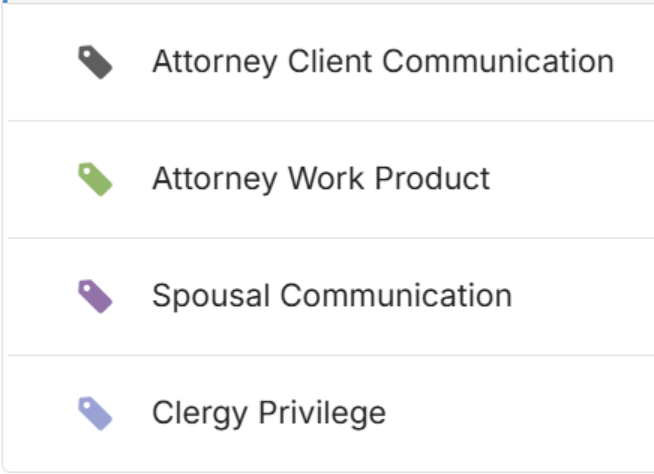
Litigation teams can prepare for privilege review by identifying the relevant privileges and confidentiality issues in their case. Tags can be created for each privilege and confidentiality designation.
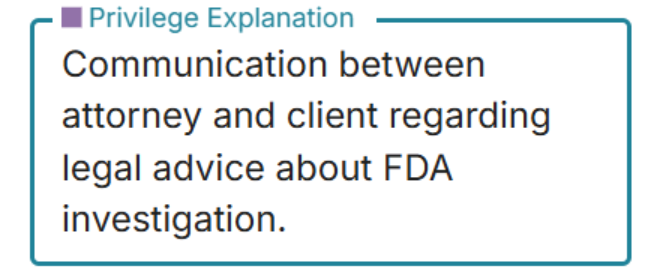
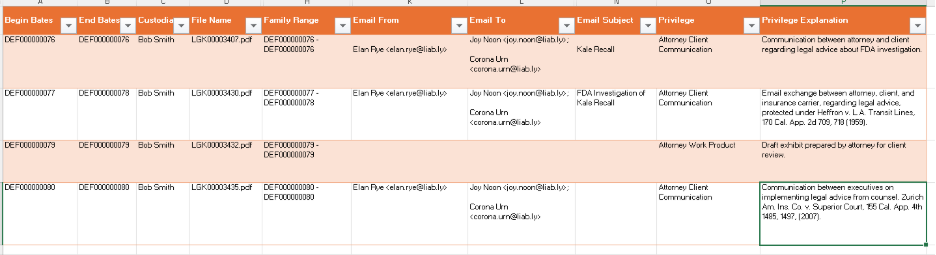
Review teams can create a “Privilege Explanation” field to adequately explain the claimed privilege for the privilege log.
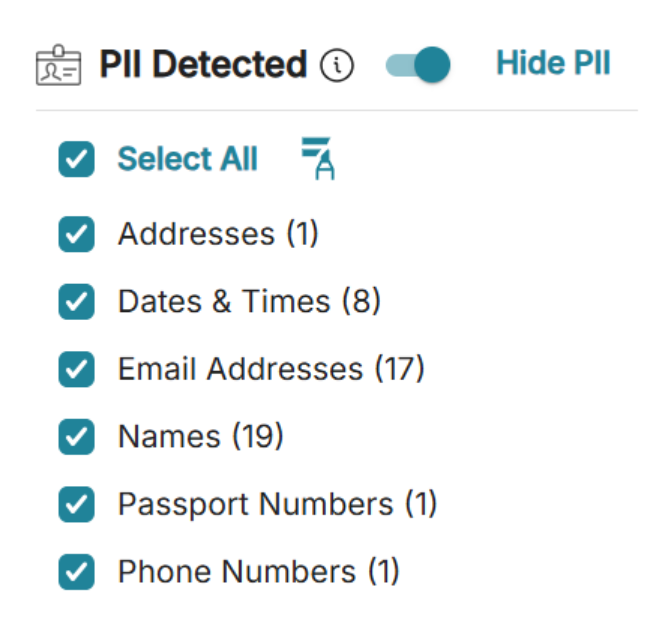
Ensuring Personal Identifiable Information is not disclosed is a critical part of privilege review. Logikcull can auto-redact PII, helping make certain that protected information is not disclosed.
To create a privilege log export a CSV with the relevant fields based on the legal requirements for a log. The CSV can be formatted as needed and converted to a PDF for production.
Learning With Logikcull
Browse our latest resources for innovative legal teams like yours




Stay in the know
Get the latest news, expert guidance, and interviews delivered straight to your inbox so you're always one step ahead.
Get the latest updates
Want to see it work?
Request a demo today.
Managing FOIA requests with limited staff, strict deadlines, and pressure to protect sensitive data?
Logikcull is built for this.